Welcome ZZJG VALVE Factory
 EN
EN RU
RU


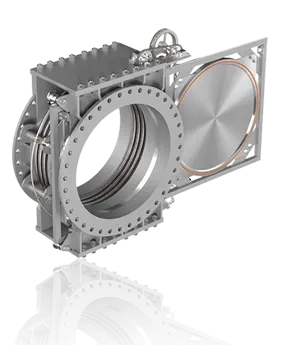
Blind valves are key equipment in the fields of oil, natural gas, and aviation kerosene. It’s about safety and responsibility, and its importance is self-evident. Therefore, its Installation Specifications and Technical Points will be introduced here.
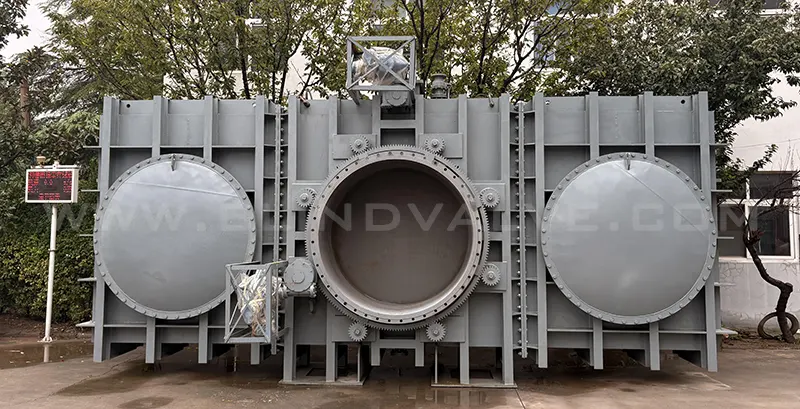
The following:
I. Why are Installation Direction and Markings Crucial?
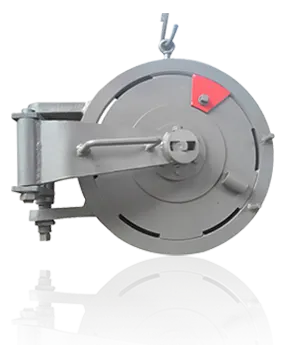
The Blind valve is essentially a special flange assembly integrating “on/off” and “blind shut-off” functions. Its core component consists of a pair of figure-eight shaped metal plates: one end is a solid blind plate (blind position), and the other end is a hollow perforated plate (through position). Absolute sealing of the medium is achieved by rotating between the two flanges to switch states.
Physical Basis of Safety: Incorrect installation direction may lead to isolation failure. In high-pressure, toxic, or flammable media environments, incorrect orientation will cause the system to lose its last physical barrier.
Intuitive Status Indication: Standardized installation and labeling ensure that operators can quickly determine the current pipeline status (flow or isolation) from a distance in complex piping environments, effectively preventing misoperation.
Long-Term Sealing System Durability: Correct installation orientation combined with uniform bolt tightening force is a prerequisite for ensuring flange surface stress balance and achieving “zero leakage.” Directional deviation can easily lead to localized stress concentration, damaging gaskets or valve bodies.
II. Following Media Flow Direction and Operating Logic
The installation of spectacle blind flange valves is not arbitrary; it must strictly adhere to the two core principles of pressure bearing capacity and operability.
1. Media Flow Direction and Pressure Bearing Principles
This is the fundamental logic determining the orientation of the “spectacle.”
Core Criterion: When switching to the “blind” isolation state, the solid blind flange must be able to stably bear the potential pressure from the isolated side (high-pressure side).
Structure and Load-Bearing: It is essential to ensure a perfect fit between the blind flange’s sealing surface and the flange’s sealing surface. Proper orientation ensures that the medium pressure is converted into a compressive force on the gasket, rather than a pushing force, guaranteeing absolute sealing reliability.
2. Operability and Environmental Adaptability Principles:
Handle Orientation: Typically, the handle (connecting section) of the blind flange valve should face the operating passageway or maintenance platform. This design ensures ample safety space for operators when switching positions.
Horizontal Piping Layout: For horizontally installed pipelines, the industry standard practice is to place the handle horizontally (laterally), rather than vertically upwards.
Corrosion and Contamination Prevention: Horizontal placement effectively prevents rainwater, dust, or impurities from accumulating on the handle and upper lens, reducing the risk of mechanical damage and corrosion.
Effortless Operation: A horizontal handle allows technicians to perform effortless operation using levers or extended tools, improving maintenance efficiency.
III. Overall Production Safety
Every engineering technician should deeply understand the “rigorous logic” behind its “simple structure.” Only by adhering to strict installation standards and clear visual management can we ensure that this “safety guardian” plays an absolute isolating role at critical moments, building an indestructible safety wall for industrial production.
ZZJG Valve provides the above information on blind valve installation. If you want to know more about blind valve installation, please contact us via WhatsApp or email.
DO YOU HAVE QUESTIONS? WE ARE HERE TO HELP YOU!

Copyright © 2026 Zhengzhou Jinggong Technology Co., Ltd