Welcome ZZJG VALVE Factory
 EN
EN RU
RU


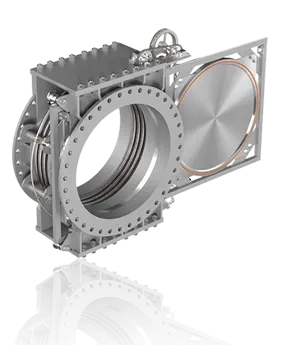
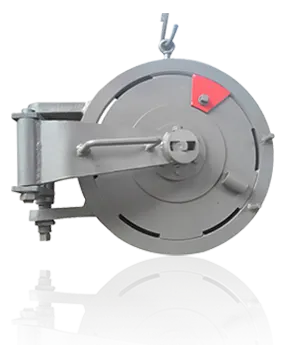
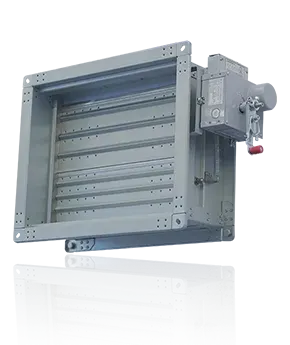
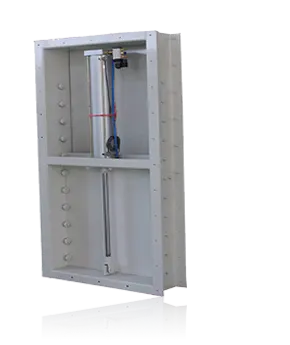
In the complex industrial field of steelmaking, involving high temperatures, high pressures, and flammable and explosive media, absolute isolation of the pipeline system is crucial for ensuring production safety and process stability. Blind valves, also known as spectacle valves or baffle valves, have become indispensable key safety devices in steel plant gas pipelines due to their “physical isolation and zero leakage” performance.
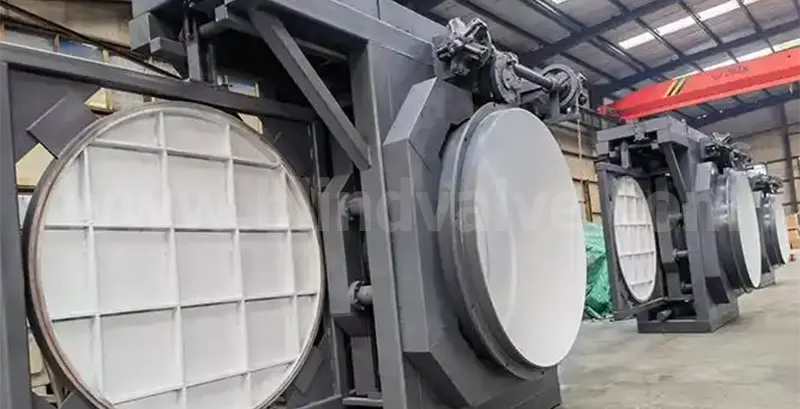
I. Core Structure and Physical Isolation Principle Unlike butterfly valves or gate valves, the core value of blind valves lies in achieving absolute physical isolation through the alternating movement of the “through-hole plate” and the “blind plate.” Their operation typically follows a strict three-step cycle:
II. Application Scenarios in Iron and Steel Smelting Processes
The large quantities of gas produced by blast furnaces are highly toxic, flammable, and explosive. According to the “Industrial Enterprise Gas Safety Regulations,” blind flange valves are often used as the main isolation valves in blast furnace outlets and gas purification systems. During baghouse dust collector cleaning or TRT residual pressure power generation unit maintenance, the physical circuit break provided by the blind flange valve can completely prevent carbon monoxide leakage, ensuring worker safety. In hot blast stove systems, high-temperature metal-sealed blind flange valves need to cut off the high-temperature medium under operating conditions above 1000℃ for easy maintenance.
In converter gas recovery systems, blind flange valves are crucial “safety switches.” When the gas purity is substandard, the blind flange valve switches to exhaust mode; when the gas purity meets the standard, it switches to recovery mode. This precise switching ensures operational safety and significantly improves energy utilization. Meanwhile, in the oxygen supply system, blind flange valves can also quickly cut off oxygen in the event of a system failure, preventing large-scale fires.
Steel rolling furnaces use coal gas as fuel, therefore the isolation of their gas supply pipelines is crucial. Installing fully enclosed electric blind flange valves not only ensures complete fuel cutoff during maintenance but also effectively prevents coal gas leaks.
III. Technological Advantages and Industry Challenges
Absolute Safety: Solid blind flange seals eliminate the risk of valves failing to close properly due to ash accumulation.
Harsh Environmental Resistance: Sealing surfaces made of stainless steel or fluororubber can withstand the acidic corrosion and high dust content in coal gas.
Challenges and Solutions: To address the increased switching resistance caused by ash accumulation, modern designs typically employ closed blind valves; to address the displacement required for valve opening, bellows compensators are used to absorb pipeline stress.
IV. Future Trends: Intelligentization and Intrinsic Safety
With the development of “smart factories,” automatic blind valves have gradually replaced traditional manual operation, reducing leakage rates to below 0.1% and meeting the ISO 15848-1 AH-level sealing standard. In the future, integrated sensors for pressure monitoring and remote diagnostics will become mainstream, further reducing the risks associated with manual inspections.
Blind valves, with their ingenious physical logic, construct a solid protective barrier on the energy artery of steelmaking. They not only support the continuous and stable operation of various processes but are also a key cornerstone for achieving high-quality development and intrinsic safety in the steel industry.
DO YOU HAVE QUESTIONS? WE ARE HERE TO HELP YOU!

Copyright © 2026 Zhengzhou Jinggong Technology Co., Ltd