Welcome ZZJG VALVE Factory
 EN
EN RU
RU


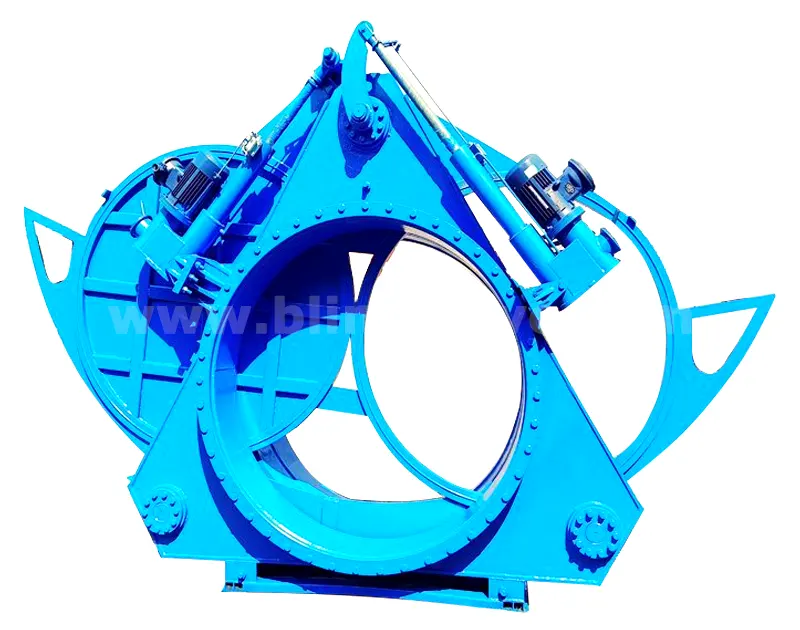
Ⅰ. First Application Scenario: Gas and Natural Gas Transmission Systems
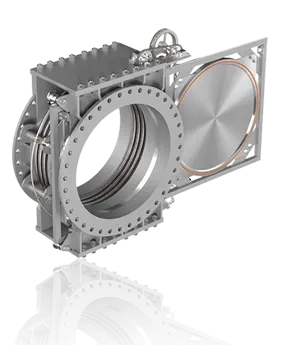
In gas and natural gas transmission pipelines, blind flange valves play a critical role. They reliably isolate gas supply, ensuring safe operations during maintenance, equipment replacement, and similar situations. Their excellent sealing performance effectively prevents gas leaks, safeguarding personnel and the environment. Additionally, their rapid opening and closing capability enables swift gas supply interruption during emergencies, minimizing accident risks.
Ⅱ. Second Application Scenario: Petroleum and Chemical Industries
Frequent pipeline switching and maintenance are essential in petroleum and chemical production processes. Blind flanges facilitate this by enabling quick, reliable pipeline isolation, streamlining process operations. They are also extensively used in pipelines transporting chemical feedstocks and finished products, ensuring safe medium conveyance. In critical sections of petrochemical plants—such as hydrogenation units and catalytic cracking units—blind flange valves demonstrate their superior performance.
Given the corrosive, flammable, and explosive nature of media in petroleum and chemical industries, stringent requirements are imposed on valve materials, sealing performance, and explosion-proof capabilities. When selecting blind flange valves, appropriate valve body and sealing materials must be chosen based on the medium’s characteristics to ensure corrosion resistance and sealing integrity. Furthermore, for pipeline systems handling flammable and explosive media, explosion-proof blind flange valves must be employed to guarantee safe production operations.
III. Third Application Scenario: Metallurgical Industry
Metallurgical production processes, such as steel and non-ferrous metal smelting, involve high-temperature, high-pressure gases and liquids. Blind flange valves withstand pressure and temperature fluctuations under these extreme conditions, ensuring stable pipeline system operation. For instance, critical sections like blast furnace gas pipelines and converter gas pipelines extensively utilize blind flange valves. Their reliable isolation function provides safety assurance during maintenance and replacement of metallurgical equipment, effectively preventing accidents.
Metallurgical media often exhibit high temperatures and strong corrosiveness, imposing stricter requirements on blind flange valve materials and performance. Valve bodies typically require high-strength materials like heat-resistant cast steel, while valve discs and seals must demonstrate exceptional resistance to high temperatures and corrosion. Additionally, the transmission mechanism must withstand operational loads in high-temperature environments to ensure smooth valve operation.
IV. Fourth Application Scenario: Urban Gas Supply Systems
Urban gas pipelines require regular maintenance and inspections. Blind flange valves enable safe pipeline isolation without disrupting user gas supply. Their rapid opening and closing capability allows for swift gas supply cutoff during emergencies, safeguarding the lives and property of urban residents.
In urban gas supply systems, blind flange valve installation locations must be carefully selected for ease of operation and maintenance. Regular inspections and maintenance are essential to ensure consistent sealing integrity and operational performance. Additionally, equipping remote monitoring systems enables real-time tracking of valve status, further enhancing gas supply system safety.
Ⅴ. Fifth Application Scenario: Sewage Treatment Systems
During sewage treatment, pipeline switching and maintenance are essential processes. Blind flanges effectively isolate sewage pipelines, preventing leaks and protecting the environment. Their corrosion resistance enables adaptation to harsh conditions within sewage treatment systems, ensuring long-term stable operation.
Given that media in wastewater treatment systems may contain corrosive substances and solid particles, blind flange valves face heightened demands on sealing performance and wear resistance. Therefore, when selecting blind flange valves, emphasis must be placed on corrosion resistance and wear resistance, choosing appropriate valve body and sealing materials accordingly. Simultaneously, valve structural design should fully account for the impact of solid particles to prevent valve blockage and damage.
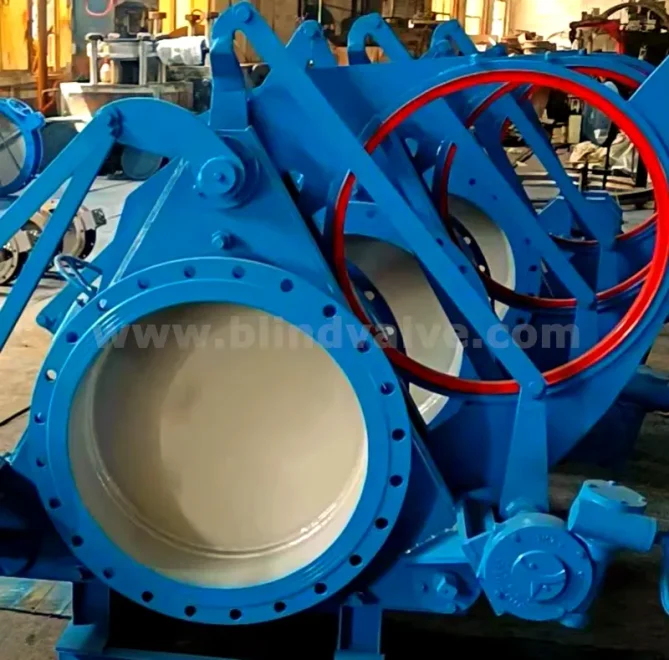
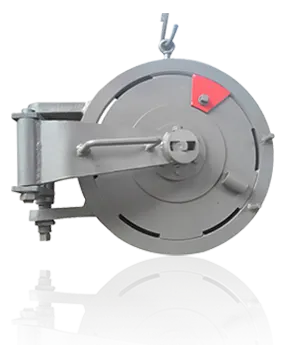
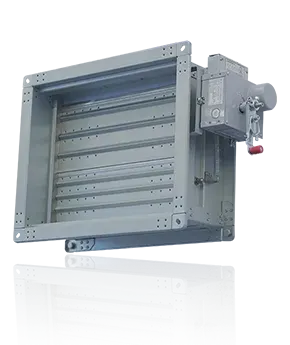
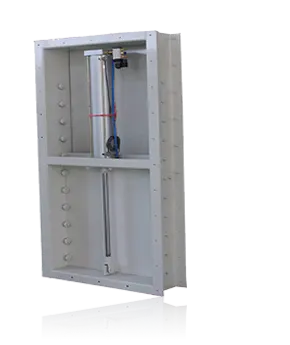
Blind flange valves, as critical isolation devices in piping systems, play an indispensable role in modern industry. Their rational structure and reliable performance enable adaptation to diverse operating conditions, including temperature, pressure, and medium characteristics. These valves find extensive application across sectors such as coal gas and natural gas transmission systems, petrochemicals, metallurgy, urban gas supply, and wastewater treatment. When selecting and utilizing blind flange valves, multiple factors must be comprehensively considered, such as valve body material, sealing structure, applicable temperature range, working pressure, and valve model, to ensure performance and safety reliability. Additionally, regular maintenance is essential, as it extends the valve’s service life while enhancing the operational efficiency and safety of the piping system.
DO YOU HAVE QUESTIONS? WE ARE HERE TO HELP YOU!

Copyright © 2026 Zhengzhou Jinggong Technology Co., Ltd