Welcome ZZJG VALVE Factory
 EN
EN RU
RU


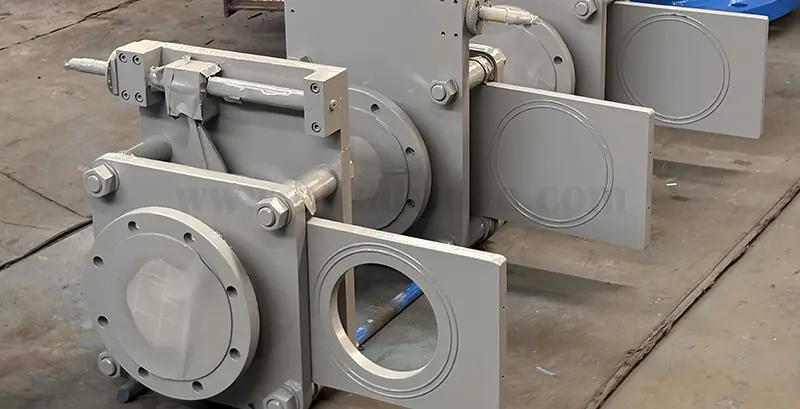
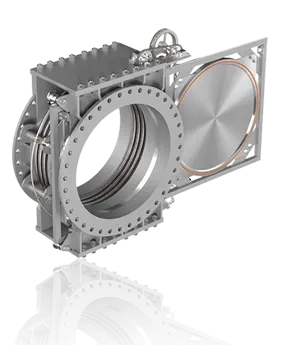
In pipeline systems of industries such as petroleum, chemical, and power, blind plate valves are critical safety isolation devices. By switching between the through-hole plate (open position) and the solid plate (blind position), they achieve unobstructed flow and complete isolation of pipeline media, serving as a vital guarantee for equipment maintenance, process switching, and safe production. In actual operation, poor sealing is the most common and serious fault of this type of valve. Leakage not only causes media loss and environmental pollution but may also lead to safety accidents such as fires and explosions. Therefore, quickly and accurately diagnosing and handling poor sealing problems is one of the core skills of equipment maintenance personnel.
I. Fault Phenomena and Preliminary Diagnosis
Poor sealing mainly manifests as: after the valve is switched to the blind position (solid plate isolation), media seepage or dripping occurs at the flange connection; under maintenance isolation conditions, if the pressure in the isolated pipe section drops abnormally, or if the presence of media is detected downstream, it can be determined that the blind plate seal has failed.
Preliminary diagnosis must strictly follow safe operating procedures and be carried out under the premise of safe system depressurization and effective isolation. Leaks can be precisely located by listening (to hear hissing sounds), visually inspecting (leaking traces), and testing (using explosion-proof tools/specialized instruments), along with soapy water or specialized leak detectors. Leaks are often concentrated in the flange sealing area.
II. Common Causes and Analysis of Inadequate Sealing The causes of inadequate sealing in spectacle blind valves are varied, but can be broadly categorized into two main types:
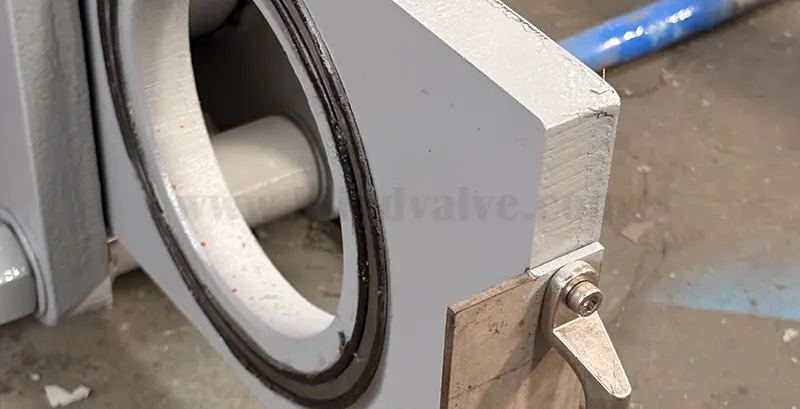
(I) Sealing Element Failure The sealing gasket is the primary factor leading to sealing failure:
(II) Flange Sealing Surface Damage: The flange sealing surface is the foundation of the sealing structure, and its integrity directly determines the sealing effect:
ZZJG Valve provides the above information on how to select butterfly valves. If you want to know more about butterfly valve selection, please contact us via WhatsApp or email.
DO YOU HAVE QUESTIONS? WE ARE HERE TO HELP YOU!

Copyright © 2026 Zhengzhou Jinggong Technology Co., Ltd