Welcome ZZJG VALVE Factory
 EN
EN RU
RU


The petrochemical plants in Indonesia handle various industrial media. Common media include crude oil, liquefied petroleum gas, fuel gas, and process hydrocarbon media. These media are flammable, explosive, and toxic. They are prone to leakage, which can lead to safety accidents.
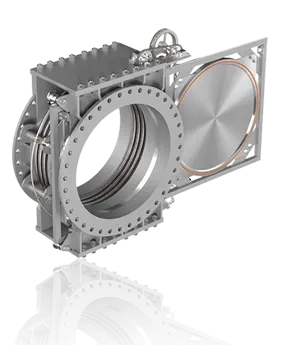
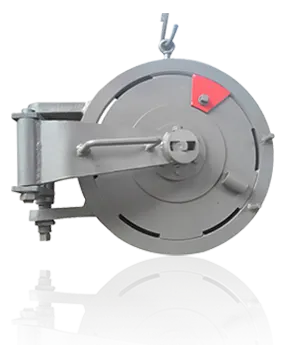
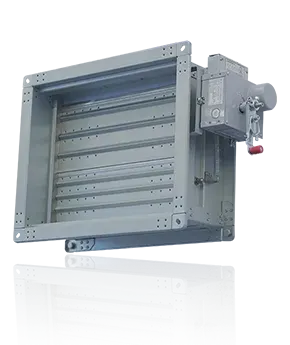
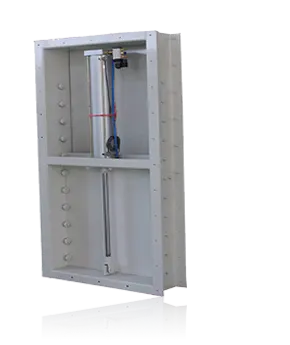
Ordinary valves such as gate valves and ball valves can only simply cut off the pipeline media. These valves cannot ensure the safety of equipment maintenance and hot operation sites. The local safety regulations in Indonesia clearly require the use of blind plate valves in petrochemical scenarios. Blind valves can achieve stable physical isolation, ensuring zero leakage in the pipeline. Blind valves can effectively avoid various safety issues caused by internal leakage of ordinary valves.
Blind valves are widely used in mainstream petrochemical projects in Indonesia. The main application scenarios are the refineries of the National Petroleum Company of Indonesia, the Kalimantan Petrochemical Park, and the Sumatra Petrochemical Park. Workers will install blind valves at key positions of the pipelines. Common installation locations include the main pipelines at the plant boundary, the bottom pipelines of storage tanks, the medium handling system, the flare exhaust pipelines, and the bypass pipelines of pump bodies. The blind valves can isolate the corresponding pipeline circuits, ensuring the overall safety of equipment start-stop and daily maintenance work.
Most local petrochemical projects in Indonesia use blind valves that comply with API 6D and ASME standards. Low-pressure fan-shaped blind plate valves are rarely used in the field. The commonly used pressure grades in the projects are 150 and 300. Special pipelines for high temperature and high pressure will be equipped with blind plate valves with RTJ flange structures.
Most projects will use WCB carbon steel to manufacture the valve body of the blind valves. Seafront plants are prone to salt fog corrosion, and such sites will use 304 or 316L stainless steel materials. The industry commonly uses 1.4122 or 3Cr17Mo materials to manufacture valve sealing accessories. This material can withstand high temperatures and resist corrosion. This material can make up for the shortcomings of 304 and 20Cr13 materials, solving their poor wear resistance and corrosion resistance. Large-diameter blind valves will be equipped with explosion-proof pneumatic or electric drive equipment. The valves can be connected to the DCS system to transmit signals, fully meeting the explosion-proof usage requirements of Indonesia.
DO YOU HAVE QUESTIONS? WE ARE HERE TO HELP YOU!

Copyright © 2026 Zhengzhou Jinggong Technology Co., Ltd