Welcome ZZJG VALVE Factory
 EN
 RU



In factories, it’s very common to ‘cut off’ pipelines (that is, to isolate them) for inspection, maintenance, or modification. But if you’re dealing with high-risk substances like phenol, the method of isolation becomes especially important. It’s not only about protecting maintenance workers but also protecting yourself—because during isolation, you could get sprayed or come into contact with phenol.
According to the U.S. Occupational Safety and Health Administration (OSHA) standards (1926.1202), ‘isolation’ must ensure that workers in a confined space are completely protected from energy release, material leakage, or physical harm.
Choosing the right isolation method and material for the equipment is crucial since both the workers repairing the pipelines and those performing the isolation are essentially working at life-threatening risk.
First, what exactly is phenol?
Phenol, also known as carbolic acid, is an important chemical raw material used for making plastics, pharmaceuticals, and many basic materials in everyday life. It’s actually everywhere: in wood glue, in cosmetics, and even in the coating of your non-stick pans.
Isolating phenol pipelines mainly has three concerns:
1. Strong corrosiveness
2. High toxicity
3. Flammable and explosive

How can operators be exposed less and stay safer when installing blind flanges? Keep the following in mind:
1. Duration: The longer the isolation takes, the longer you’re exposed to danger, increasing risk.
2. Number of people: More people involved means more potential for someone getting hurt.
3. Distance from phenol: The closer you stand, the higher the chance of being sprayed.
In short: if you really want safety, don’t rely on just the valves!
Finally, it’s crucial to isolate strictly according to OSHA requirements. Many people think just closing a valve is enough—but it’s not! If a valve leaks internally, phenol can still flow through, and the person repairing the pipeline below could still be in danger.
The truly safe approach is to completely disconnect the equipment or process system to be repaired so that upstream liquids can’t reach downstream at all.
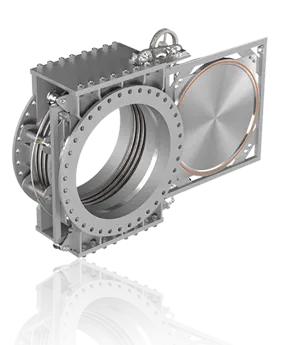
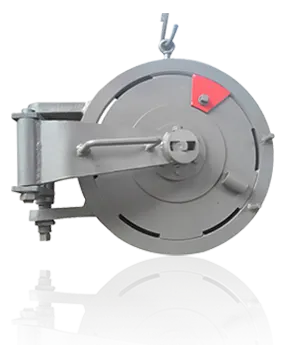
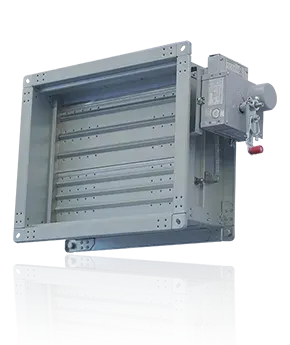
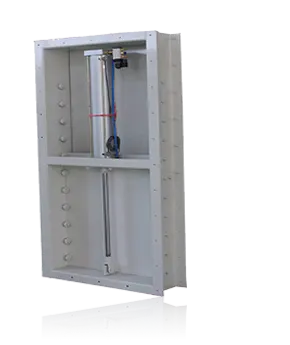
If you want a safer, more reliable isolation solution (for example, specially designed for high-risk media like phenol), you can check out ZZJG Line Blind’s equipment, pipeline blind flanges, and other industrial pipeline products.
DO YOU HAVE QUESTIONS? WE ARE HERE TO HELP YOU!

Copyright © 2026 Zhengzhou Jinggong Technology Co., Ltd